.webp)






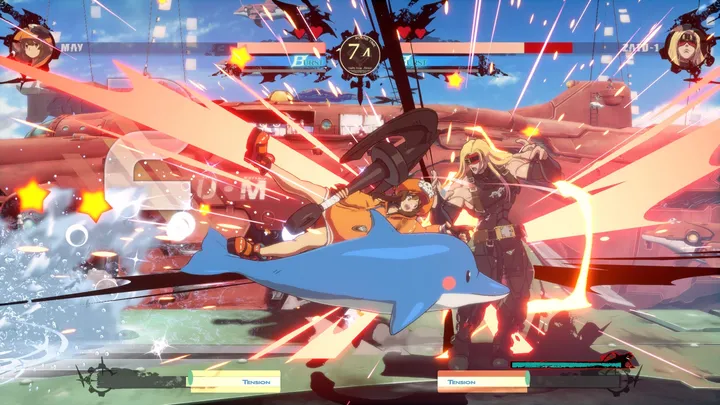
GUILTY GEAR -STRIVE- is one of the most visually stunning and mechanically rewarding fighting games available today. Developed by Arc System Works, it combines breathtaking anime-style graphics with a deep combat system that rewards precision, creativity, and strategic thinking. Although the game is more approachable than previous entries in the Guilty Gear series, mastering its mechanics still requires dedication, practice, and a solid understanding of its core systems.
Unlike many traditional fighting games, GUILTY GEAR -STRIVE- emphasizes explosive offense, unique character identities, and a momentum-based neutral game. Every character possesses distinctive moves, strengths, weaknesses, and combo routes, ensuring that no two matches feel exactly the same. Whether you enjoy rushing opponents down with relentless pressure or controlling space with long-range attacks, there is a character suited to your playstyle.
Many beginners struggle because they focus solely on learning flashy combos while ignoring movement, defense, and resource management. In reality, winning consistently requires much more than mechanical execution. Understanding spacing, recognizing opponent habits, using Roman Cancels effectively, and making smart decisions under pressure are the true foundations of success.
This comprehensive guide walks you through every stage of learning GUILTY GEAR -STRIVE-, from choosing your first character to competing confidently in ranked matches. By following these steps in order, you'll develop strong fundamentals that remain valuable regardless of future balance updates or new character releases.
1. How to Understand the Core Gameplay Mechanics
Before practicing combos or entering online matches, it's essential to understand what makes GUILTY GEAR -STRIVE- unique among fighting games.
Unlike slower, footsie-heavy fighters, STRIVE revolves around explosive momentum. A single successful hit can quickly transition into devastating corner pressure, powerful mix-ups, or even a match-ending combo. However, the game balances offense with defensive mechanics like Burst, Faultless Defense, and Roman Cancels.
Learning these universal mechanics first will make every character significantly easier to understand.
Understanding the Win Condition
Every match consists of multiple rounds.
To win consistently, players must:
- Reduce the opponent's health to zero
- Control screen position
- Build and spend Tension efficiently
- Defend against pressure
- Capitalize on mistakes
Winning isn't about landing the most attacks.
It's about landing the right attacks.
Learn the Basic Attack Buttons
Every character shares the same attack categories:
Punch (P)
- Fastest attacks
- Excellent defensive options
- Limited damage
- Useful for interrupting pressure
Kick (K)
- Slightly slower than Punch
- Better range
- Common combo starter
Slash (S)
- Medium-range attacks
- Core neutral tool
Heavy Slash (HS)
- High damage
- Longer recovery
- Strong combo routes
Dust (D)
- Unique launcher
- Overhead attack
- Enables aerial combos
Understanding each button's purpose is more important than memorizing long combos.
Beginner Exercise
Spend your first hour simply testing:
- Every normal attack
- Jump attacks
- Throws
- Air movement
- Blocking
Familiarity with movement creates a much stronger foundation than immediately entering online matches.
2. How to Choose the Right Character
Character selection influences your learning experience more than almost anything else.
Fortunately, STRIVE features one of the most diverse rosters in modern fighting games.
Every fighter follows a distinct philosophy.
Beginner-Friendly Characters
If you're new to fighting games, these characters are excellent starting points.
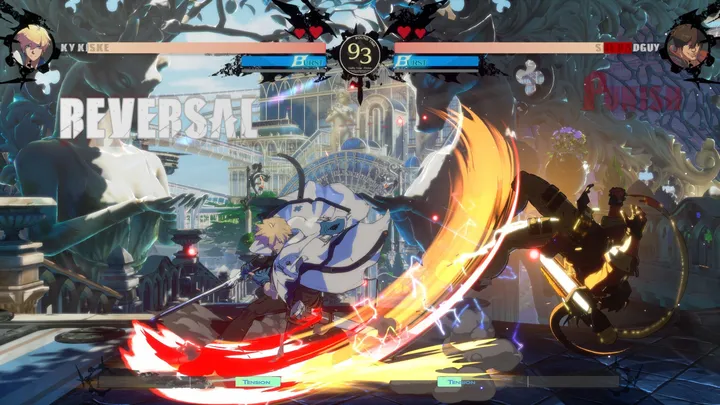
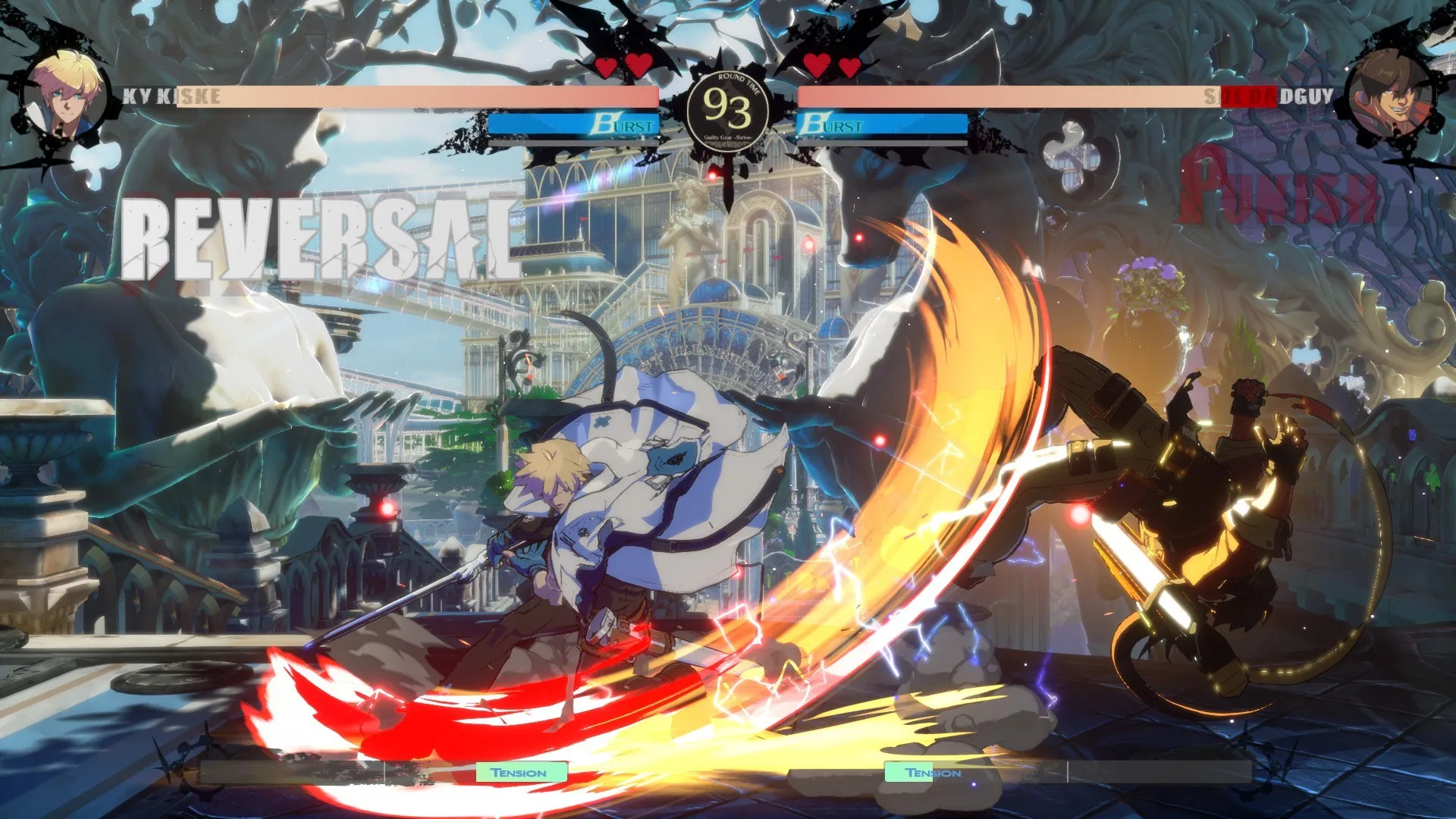
Ky Kiske
Strengths:
- Balanced toolkit
- Strong projectiles
- Easy confirms
- Reliable defense
Ideal for learning:
- Neutral
- Spacing
- Basic combos
Sol Badguy
Strengths:
- High damage
- Strong pressure
- Excellent close-range offense
Ideal for learning:
- Aggressive play
- Counter hits
- Strike/throw mix-ups
Giovanna
Strengths:
- Fast movement
- Simple combos
- Excellent pressure
Ideal for:
- Rushdown
- Footsies
- Offensive fundamentals
Intermediate Characters
Once comfortable, consider:
- Leo Whitefang
- Ramlethal Valentine
- Nagoriyuki
- Sin Kiske
These characters introduce more advanced resource management and unique mechanics.
Advanced Characters
Players seeking greater complexity may enjoy:
- Happy Chaos
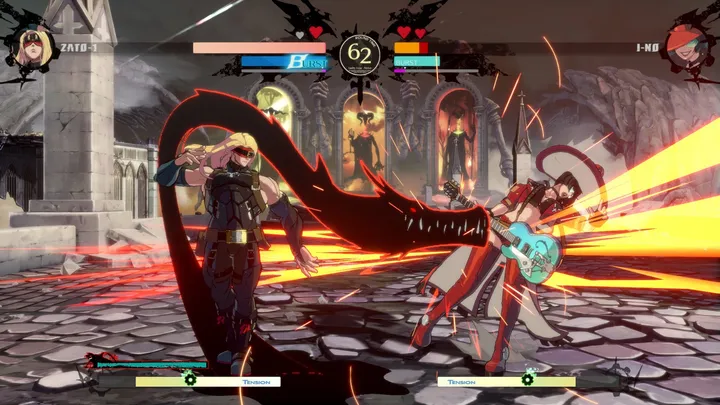
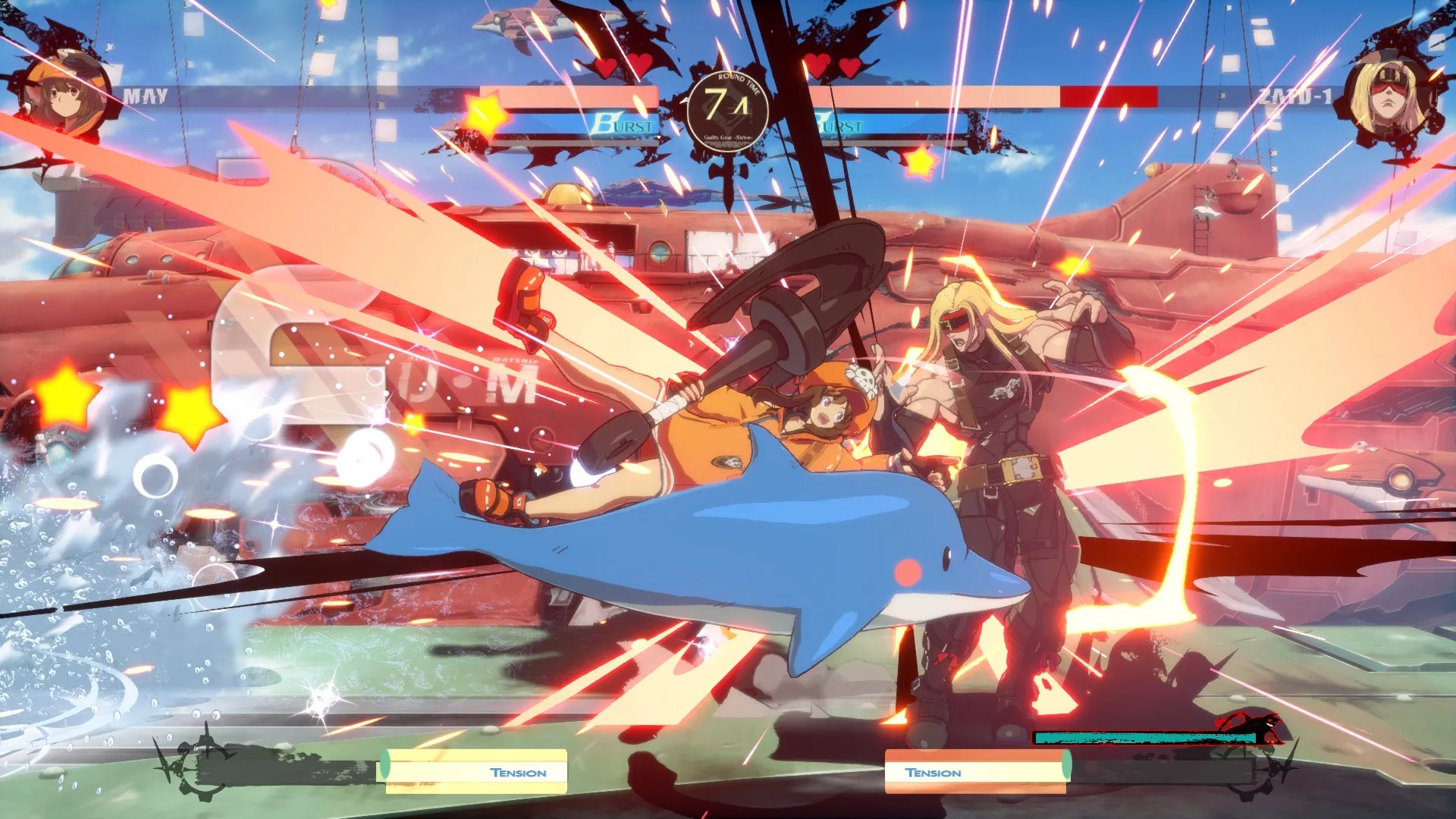
- Zato-1
- Asuka R#
- Jack-O'
These fighters require significantly more execution and matchup knowledge.
Character Selection Advice
Don't constantly switch characters.
Instead:
- Pick one main
- Learn every normal attack
- Understand every special move
- Play at least 100 matches
Consistency accelerates improvement.
3. How to Master Movement Before Learning Combos
One of the biggest mistakes beginners make is spending hours in Training Mode learning advanced combos before mastering movement.
Movement wins neutral.
Neutral wins matches.
Essential Movement Options
Walking
Advantages:
- Precise spacing
- Quick reactions
- Strong defensive positioning
Walking may seem slow, but experienced players constantly adjust spacing with small movements.
Dashing
Forward dash:
- Close distance
- Extend pressure
Backdash:
- Escape throws
- Avoid attacks
- Create spacing
Understanding when not to dash is just as important.
Jumping
Jumping is powerful but risky.
Poor jumps become predictable.
Use jumps:
- After conditioning opponents
- During safe situations
- To punish projectiles
Avoid jumping repeatedly.
Air Dash
Air dashes define anime fighters.
Use them to:
- Cross-up opponents
- Escape corners
- Extend combos
However:
Predictable air dashes are easy to anti-air.
Spacing Practice
Enter Training Mode.
Without attacking:
Practice:
- Walking
- Forward dash
- Backdash
- Jump
- Instant air dash
Repeat until movement feels natural.
4. How to Learn Neutral and Win More Exchanges
Neutral is often described as the most important aspect of fighting games.
It's the phase where neither player has an immediate advantage.
Winning neutral consistently leads to:
- More damage
- Better positioning
- Stronger pressure
Understanding Neutral
Neutral involves:
- Movement
- Spacing
- Whiff punishment
- Anti-air reactions
- Safe pokes
The objective is to force mistakes while minimizing your own risks.
Strong Neutral Habits
Control Space
Every character has attacks that dominate specific ranges.
Examples:
- Ky's far Slash
- Sol's far Slash
- Ramlethal's sword normals
Identify which attacks are strongest at different distances.
Punish Whiffs
Many players attack carelessly.
Instead of rushing forward:
Wait.
If an opponent misses an attack:
- Dash forward
- Punish immediately
- Begin your combo
Patience often creates more opportunities than aggression.
Learn Anti-Air Timing
Jump-ins are common online.
Every character possesses reliable anti-air options.
Practice:
- 6P
- Air throw
- Character-specific anti-air specials
Stopping jumps forces opponents to fight on the ground, where you control the pace.
Common Neutral Mistakes
Avoid:
- Constant jumping
- Random special moves
- Unsafe dashes
- Predictable offense
Strong neutral revolves around discipline.
Not constant aggression.